
FOUNDATIONAL READING · ESV
Philippians 1:29
Read the complete passage slowly before entering the reflection. Let the biblical text govern every application that follows.BIBLICAL WORD INSIGHT · GREEK
THE WORD
The word “granted” is the Greek word charizomai — the same root as charis, grace, gift. It is given as a grace gift. Suffering for the sake of Christ is presented in the Word of God not as a punishment, not as an oversight, not as the consequence of weak faith or spiritual failure — but as a gift. A grace. Something extended to you specifically for the sake of Christ. This is the theological reality that the prosperity gospel has systematically excised from its framework, and the cost of that excision has been catastrophic. An entire generation of Christians has been taught that suffering is the evidence of spiritual failure, that hardship is the symptom of insufficient faith, that persecution is something to be explained away rather than endured with joy. And when the inevitable suffering of a genuine Christian life arrives — and it always arrives — these believers enter spiritual crisis. Not because God has abandoned them. Because no one told them this was coming.
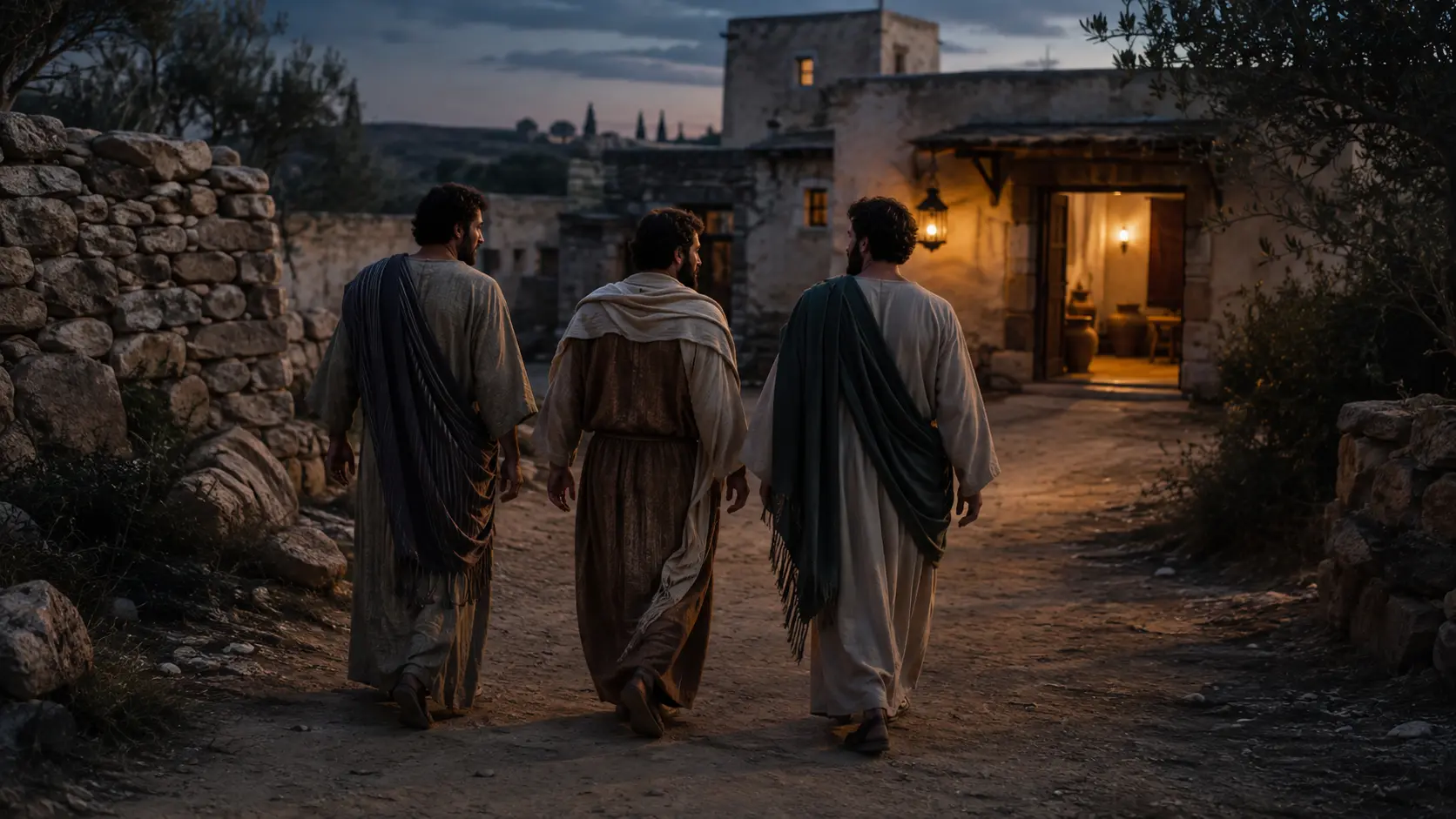
And no one told them what it was for. Paul writes Philippians from a Roman prison. Chained to a guard. Awaiting trial that could end in his execution. And from that specific, unambiguous, physically constrained context, he tells the church at Philippi that suffering for Christ has been granted to them as a gift. He is not performing spiritual positivity from a position of comfort. He is declaring theological truth from the floor of a prison cell. The suffering is real. The chains are real. The threat is real. And the grace of God in and through the suffering is equally real. What has been granted to them — to believe in Christ — is the same word used for the gift of suffering. Both are grace gifts. Both are granted.
Paul speaks of suffering that arises from allegiance to Christ. Not every suffering is persecution, and no leader may call abuse, discrimination, medical neglect, burnout, or preventable danger a spiritual gift. Faithfulness can include lament, escape, legal protection, treatment, boundaries, and advocacy. Christian hope honors costly witness without romanticizing pain or silencing those harmed by religious systems.
CONFRONTATION QUESTION
Where does Philippians 1:29 confront your present practice, and what truthful, responsible step would embody its call without shaming, coercing, or harming another person?
FAITH RESPONSE
🙏🏿 LET US GO INTO THE THRONE ROOM OF GRACE AND MERCY.™
Prayer
Truth must become practice.
Read Philippians 1:29 in its full chapter. Write one sentence naming what the passage actually says, one misuse you must reject, and one concrete action that expresses faithful obedience with truth, safety, and love.
Study the evidence
Read the surrounding argument before drawing an application. Scripture links open in a new tab.
Practice interpreting before teaching
- Observe: identify the speaker, audience, situation, and two statements the passage makes explicitly.
- Interpret: state the conclusion in your own words and explain which details support it. Mark any inference.
- Compare: give a reasonable alternative reading fairly. Explain why the context supports or weakens it.
- Apply: propose one present-day response. Identify what the passage does not promise and whose circumstances require care.
- Revise: check the title, illustration, prayer, and assignment against the same evidence. Change any statement that exceeds it.
A strong response names evidence, handles an objection fairly, and distinguishes application from the passage’s direct statement. Agreement with a teacher alone is not a demonstration of understanding.
Published commitments, teacher exercises, and revision record →