
C H O F Ministry — Unified Manna™: Where Scripture Meets Innovation
Pride Walks Toward a Fall With Closed Ears
Pride is dangerous because it rejects the correction that could interrupt destruction before the edge is reached.

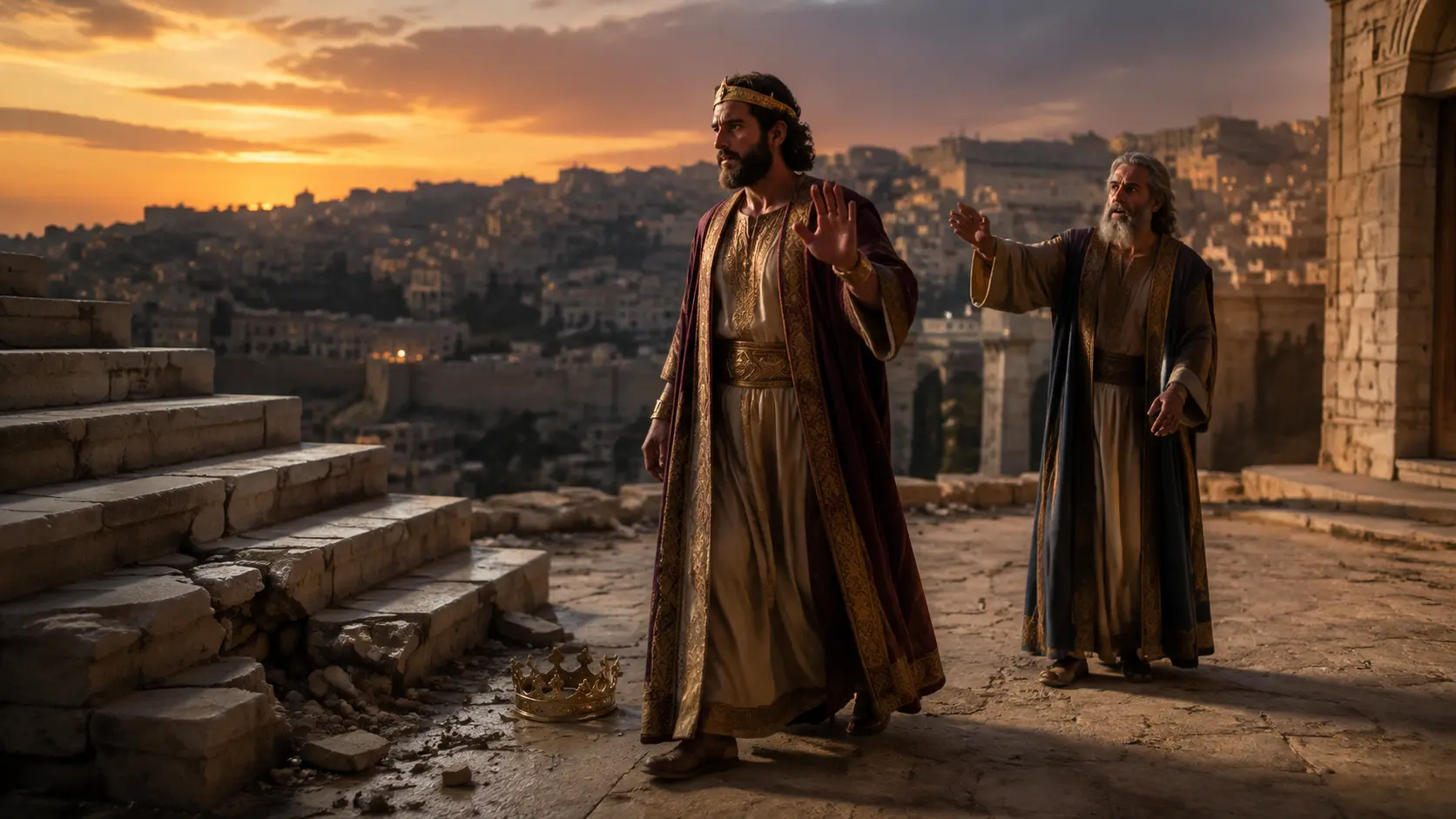
FOUNDATIONAL SCRIPTURE · ESV
“Pride goes before destruction, and a haughty spirit before a fall.”Proverbs 16:18 (ESV)
WISDOM WHISPERS™
“Pride is dangerous because it rejects the correction that could interrupt destruction before the edge is reached.”— Bishop W. F. Houston Jr.
Word StudyGaon can describe pride, exaltation, or majesty. In Proverbs 16:18 it names self-exaltation that resists creaturely limits and prepares the way for ruin.
THE DEVOTION
Proverbs gives a warning, not a license to diagnose every person who falls. Public humiliation, illness, job loss, or failure does not prove hidden pride. Suffering people should not become illustrations for someone else’s sermon.
Pride becomes dangerous when image matters more than truth. It can hide inside expertise, ministry, success, defensiveness, false humility, or the insistence that correction always comes from jealous people.
Humility is not self-hatred. It is truthful creatureliness: gifts are received as stewardship, limits are acknowledged, apologies become possible, and wise counsel is welcomed without surrendering discernment.
Listen before the stair breaks. Ask a trustworthy person where you are difficult to correct. Verify the counsel, repent where needed, and choose character over reputation. The warning is mercy offered before the fall.
Study the evidence
Read the surrounding argument before drawing an application. Scripture links open in a new tab.
Practice interpreting before teaching
- Observe: identify the speaker, audience, situation, and two statements the passage makes explicitly.
- Interpret: state the conclusion in your own words and explain which details support it. Mark any inference.
- Compare: give a reasonable alternative reading fairly. Explain why the context supports or weakens it.
- Apply: propose one present-day response. Identify what the passage does not promise and whose circumstances require care.
- Revise: check the title, illustration, prayer, and assignment against the same evidence. Change any statement that exceeds it.
A strong response names evidence, handles an objection fairly, and distinguishes application from the passage’s direct statement. Agreement with a teacher alone is not a demonstration of understanding.
Published commitments, teacher exercises, and revision record →
Let Us Go Into The Throne Room Of Grace And Mercy.
Prayer
BENEDICTION