
C H O F Ministry — Unified Manna™: Where Scripture Meets Innovation
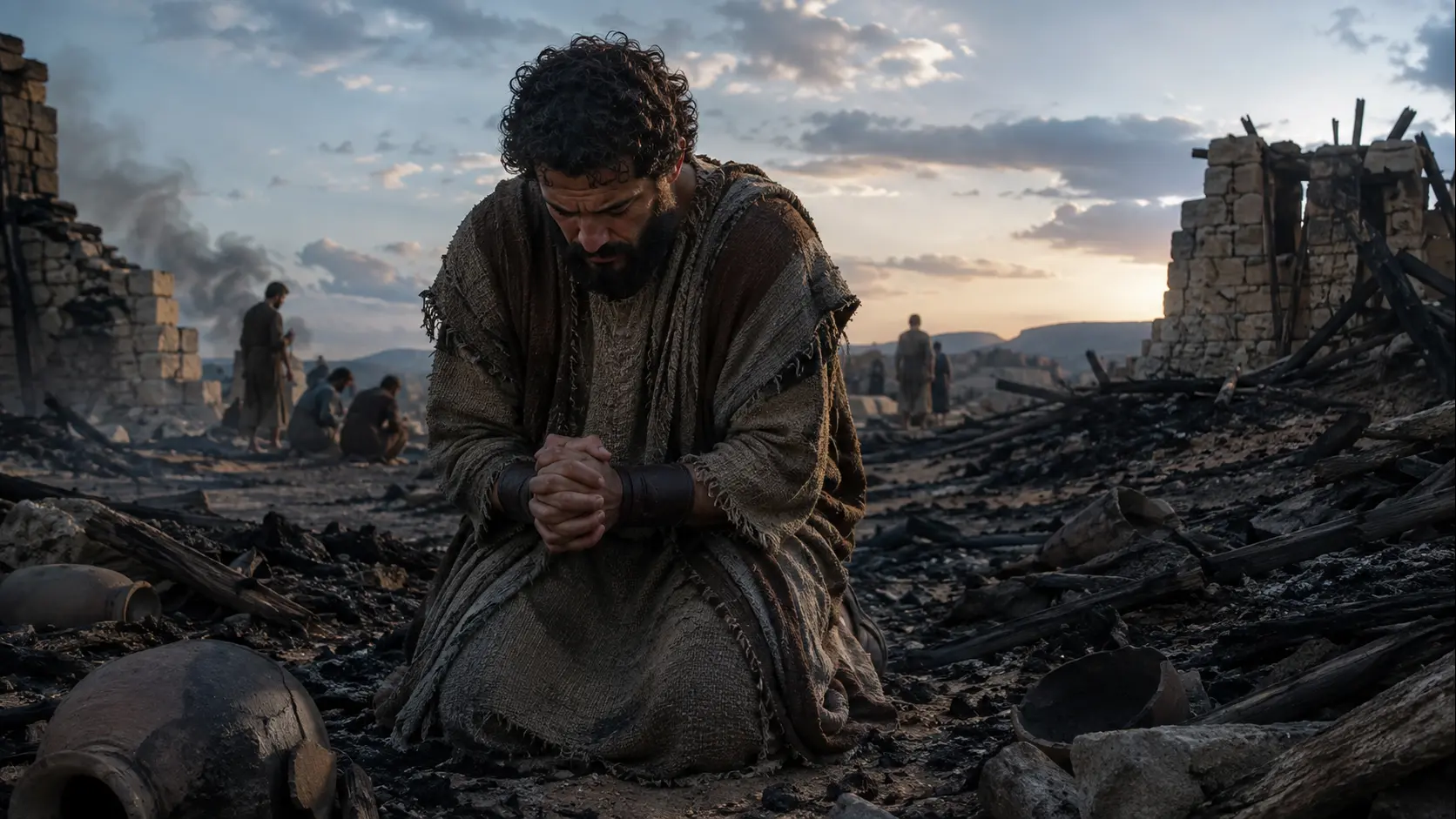
David Strengthened Himself in the LORD
When every human voice was exhausted, David reached for the covenant strength of the LORD—not a myth of isolated self-sufficiency.

FOUNDATIONAL SCRIPTURE · ESV
“And David was greatly distressed, for the people spoke of stoning him... But David strengthened himself in the LORD his God.”1 Samuel 30:6 (ESV)
WISDOM WHISPERS™
“When every human voice was exhausted, David reached for the covenant strength of the LORD—not a myth of isolated self-sufficiency.”— Bishop W. F. Houston Jr.
Word StudyChazaq means to strengthen, take courage, or make firm. In 1 Samuel 30:6 David found strength in the LORD before seeking guidance and leading his community forward.
THE DEVOTION
Ziklag had burned, families had been taken, and David’s own companions spoke from such grief that their sorrow turned against him. The text does not celebrate loneliness. It shows a leader at the edge of collapse finding strength in the LORD when the community had no strength left to lend.
David did not manufacture courage from positive thinking. He remembered the God who had kept covenant through wilderness, danger, failure, and mercy. Then he called for the priestly ephod, asked for guidance, pursued responsibly, and shared the recovered goods with the whole community.
Strengthening yourself in the LORD does not mean refusing support. Scripture also gives us prayer, wise counsel, pastoral care, therapy, medicine, friendship, and lawful help. Sometimes faith receives strength directly in solitude; sometimes God strengthens us through another person’s hands.
Name the ruin without letting it name your future. Turn toward God, seek the help you need, and take the next faithful step. Courage is not pretending the city never burned. It is refusing to let devastation become the final authority over obedience.
Study the evidence
Read the surrounding argument before drawing an application. Scripture links open in a new tab.
Practice interpreting before teaching
- Observe: identify the speaker, audience, situation, and two statements the passage makes explicitly.
- Interpret: state the conclusion in your own words and explain which details support it. Mark any inference.
- Compare: give a reasonable alternative reading fairly. Explain why the context supports or weakens it.
- Apply: propose one present-day response. Identify what the passage does not promise and whose circumstances require care.
- Revise: check the title, illustration, prayer, and assignment against the same evidence. Change any statement that exceeds it.
A strong response names evidence, handles an objection fairly, and distinguishes application from the passage’s direct statement. Agreement with a teacher alone is not a demonstration of understanding.
Published commitments, teacher exercises, and revision record →
Let Us Go Into The Throne Room Of Grace And Mercy.
Prayer
BENEDICTION