
C H O F Ministry — Unified Manna™: Where Scripture Meets Innovation
From Warfare to Worship: When the Battle Becomes an Altar
Worship does not deny the battle; it denies the battle the right to become lord over the soul.

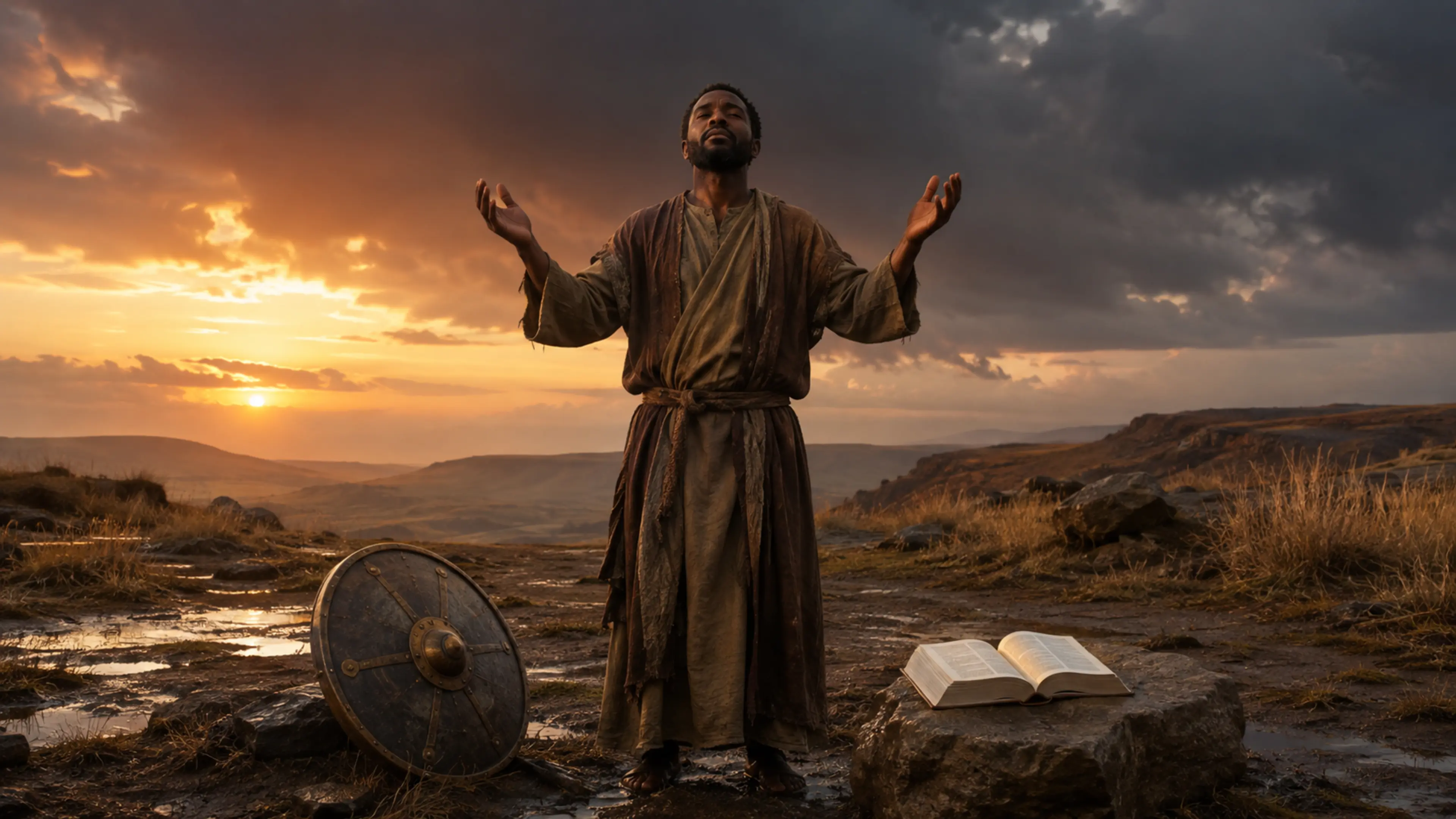
FOUNDATIONAL SCRIPTURE · ESV
“And when he had taken counsel with the people, he appointed those who were to sing to the LORD and praise him in holy attire, as they went before the army, and say, ‘Give thanks to the LORD, for his steadfast love endures forever.’ And when they began to sing and praise, the LORD set an ambush against the men of Ammon, Moab, and Mount Seir, who had come against Judah, so that they were routed.”2 Chronicles 20:21–22 (ESV)
WISDOM WHISPERS™
“Worship does not deny the battle; it denies the battle the right to become lord over the soul.”— Bishop W. F. Houston Jr.
Word StudyPraise or a song of praise. Tehillāh gives voice to God’s character and worth; it is worship directed toward God, not a formula for controlling outcomes.
THE DEVOTION
Judah’s worship did not begin with emotional denial. Jehoshaphat was afraid. The nation fasted, prayed, listened, and obeyed. Only after God had addressed their fear did singers move before the army declaring His steadfast love. Their praise was not noise used to escape reality; it was truth spoken in the face of reality.
The Hebrew noun tehillāh means praise or a song of praise. It does not inherently mean spontaneous, unrehearsed praise, nor does it turn worship into a spiritual mechanism. In this passage, praise responds to God’s revealed promise. Judah did not manipulate God into acting; they entrusted themselves to the God who had already spoken.
Worship transforms the battlefield by refusing to let fear define the worshiper. The circumstances may change dramatically, as they did for Judah, or the believer may receive grace to remain faithful while the struggle continues. Either way, worship reorders the soul beneath the sovereignty of God.
Turning warfare into worship does not mean ignoring danger, silencing grief, abandoning wise preparation, or refusing justice. Biblical worship can weep, lament, protest, and still confess that God is good. The altar is formed when our need to control the outcome is surrendered to the character of the One whose steadfast love endures forever.
Name the battle honestly. Bring the fear into prayer. Rehearse what God has revealed about Himself, then obey the next instruction Scripture makes clear. Do not praise merely to force a victory into existence. Praise because God remains worthy before the outcome is known. That is when warfare stops owning the soul and the battlefield becomes an altar.
Study the evidence
Read the surrounding argument before drawing an application. Scripture links open in a new tab.
Practice interpreting before teaching
- Observe: identify the speaker, audience, situation, and two statements the passage makes explicitly.
- Interpret: state the conclusion in your own words and explain which details support it. Mark any inference.
- Compare: give a reasonable alternative reading fairly. Explain why the context supports or weakens it.
- Apply: propose one present-day response. Identify what the passage does not promise and whose circumstances require care.
- Revise: check the title, illustration, prayer, and assignment against the same evidence. Change any statement that exceeds it.
A strong response names evidence, handles an objection fairly, and distinguishes application from the passage’s direct statement. Agreement with a teacher alone is not a demonstration of understanding.
Published commitments, teacher exercises, and revision record →
Let Us Go Into The Throne Room Of Grace And Mercy.
Prayer
BENEDICTION