
C H O F Ministry — Unified Manna™: Where Scripture Meets Innovation
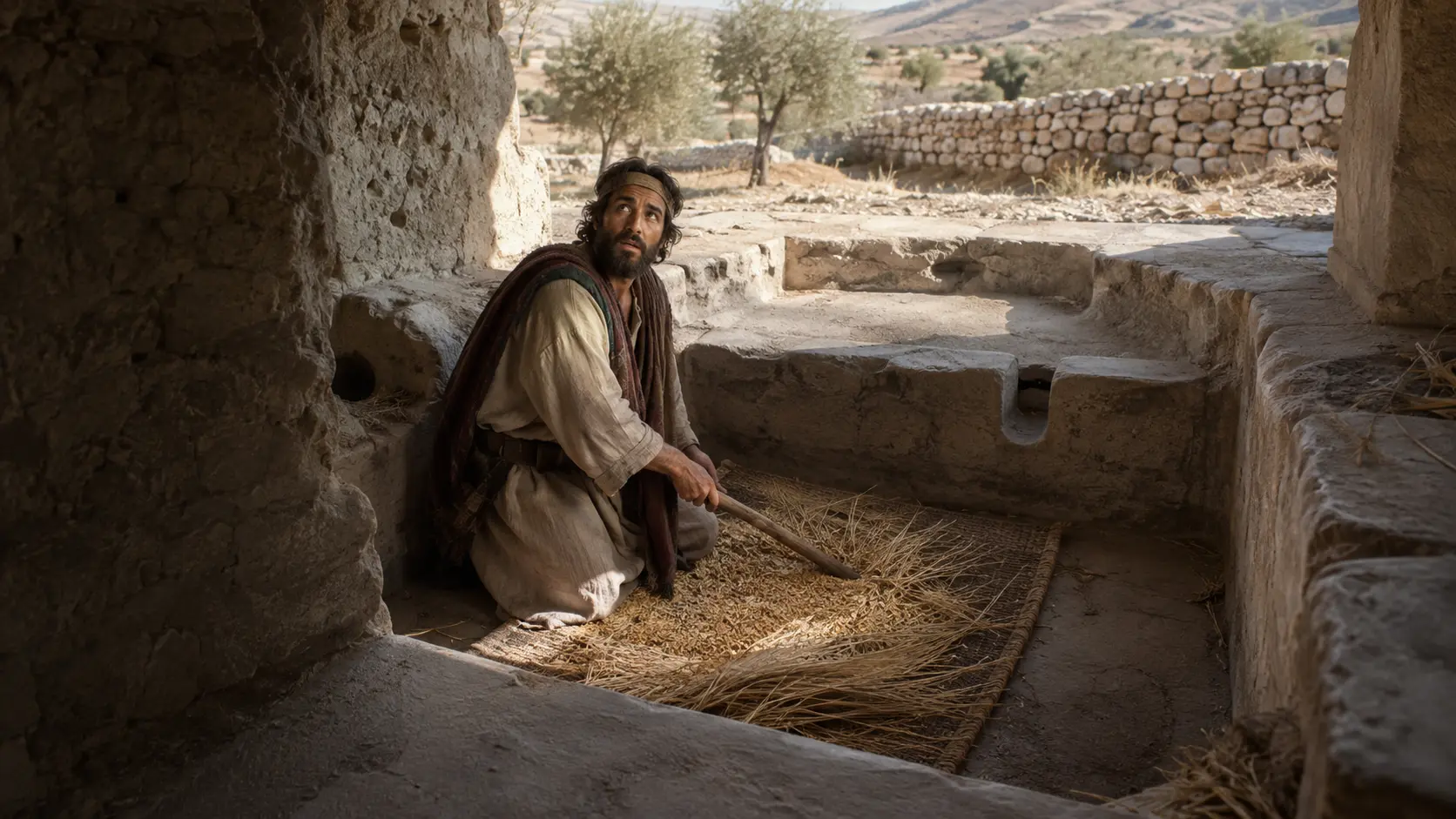
Gideon Was Commissioned While Hiding
God addressed Gideon according to the assignment before him, then patiently formed courage through obedience.

FOUNDATIONAL SCRIPTURE · ESV
“And the angel of the LORD appeared to him and said to him, “The LORD is with you, O mighty man of valor.””Judges 6:12 (ESV)
WISDOM WHISPERS™
“God addressed Gideon according to the assignment before him, then patiently formed courage through obedience.”— Bishop W. F. Houston Jr.
Word Studymighty man, warrior, champion — a title of strength spoken over a man threshing wheat in a winepress to hide from his enemies. God called Gideon gibbor — mighty warrior — while he cowered. Heaven names you by your calling, not by your current hiding place.
THE DEVOTION
Gideon was threshing wheat in a winepress because Midian’s oppression had made ordinary work dangerous. The angel’s greeting did not pretend Gideon felt brave. It announced God’s presence and summoned him into a task he could not complete by self-confidence alone.
The Hebrew word gibbôr can describe a mighty warrior or person of strength. In context, it functions as commission as much as compliment. God was not giving every reader a private prediction of fame or greatness; He was calling one frightened man to faithful service in Israel’s crisis.
Gideon questioned, asked for assurance, and required formation. Scripture does not shame the nervous system of a traumatized person or demand reckless exposure to danger. Courage may include wise preparation, community support, professional care, and small acts of obedience.
Do not let fear become your permanent identity, but do not invent a grand destiny from one verse. Ask what faithfulness requires now. God often forms courage while we are obeying—not before every tremor disappears.
Study the evidence
Read the surrounding argument before drawing an application. Scripture links open in a new tab.
Practice interpreting before teaching
- Observe: identify the speaker, audience, situation, and two statements the passage makes explicitly.
- Interpret: state the conclusion in your own words and explain which details support it. Mark any inference.
- Compare: give a reasonable alternative reading fairly. Explain why the context supports or weakens it.
- Apply: propose one present-day response. Identify what the passage does not promise and whose circumstances require care.
- Revise: check the title, illustration, prayer, and assignment against the same evidence. Change any statement that exceeds it.
A strong response names evidence, handles an objection fairly, and distinguishes application from the passage’s direct statement. Agreement with a teacher alone is not a demonstration of understanding.
Published commitments, teacher exercises, and revision record →
Let Us Go Into The Throne Room Of Grace And Mercy.
Prayer
BENEDICTION