
C H O F Ministry — Unified Manna™: Where Scripture Meets Innovation
Love Intervenes Without Enabling
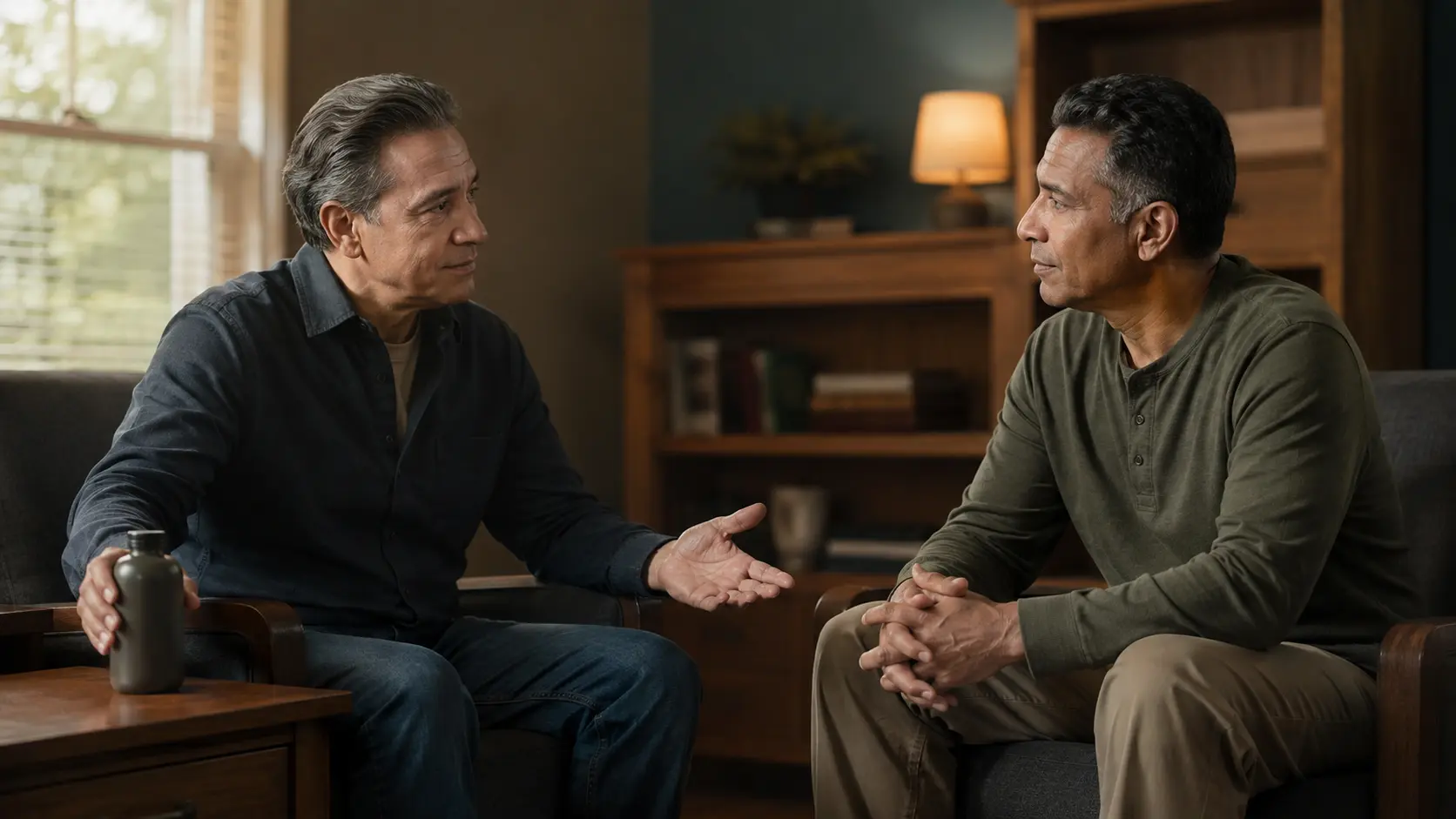
Faithful love supports the person while refusing to finance, conceal, or normalize the destruction that is harming them.

FOUNDATIONAL SCRIPTURE · ESV
“Rescue those who are being taken away to death; hold back those who are stumbling to the slaughter.”Proverbs 24:11 (ESV)
WISDOM WHISPERS™
“Real love does not fund a fall and call it acceptance. It tells the truth, sets wise limits, and helps a person reach responsible support without pretending to control the outcome.”— Bishop W. F. Houston Jr.
Word Studyto snatch away, deliver, or rescue from danger. Proverbs commands intervention, but wise intervention respects safety, lawful responsibility, and the limits of what one person can control.
THE DEVOTION
Proverbs issues a command that sounds almost violent in its urgency: 'Rescue those who are being taken away to death; hold back those who are stumbling to the slaughter.' The word is natsal — to snatch, to grab, to forcefully pull someone out of danger. This is not gentle affirmation from a safe distance. This is the love that reaches into the path of destruction and drags someone back. And it exposes a counterfeit love our culture has fully embraced: the love that enables.
Enabling wears the mask of kindness. It says 'I just want to support you,' 'I don't want to judge,' 'I'm here for you no matter what' — while it quietly funds the very destruction it claims to oppose. It pays for the addiction and calls it help. It covers for the destructive pattern and calls it loyalty. It affirms the person marching toward the slaughter and calls it acceptance. But Scripture says real love holds back the one stumbling toward death. Enabling doesn't hold back — it holds the door open.
Here is the hard distinction every loving person must learn: there is a difference between supporting a person and supporting their destruction. 🏿 You can love someone fiercely and refuse to fund their fall. In fact, that refusal may be the truest love available to them. The Sugar-Free Gospel™ says it plainly: love that won't intervene isn't love — it's cowardice wearing love's clothing, and it buries people with kindness.
Intervention must be wise. Do not physically confront a dangerous person alone, manage a medical crisis without trained help, or confuse love with control. Addiction and self-harm may require emergency services, clinicians, recovery support, and firm financial boundaries. You can offer truth, transport, treatment options, and steady presence while accepting that another adult’s choices remain beyond your command.
Study the evidence
Read the surrounding argument before drawing an application. Scripture links open in a new tab.
Practice interpreting before teaching
- Observe: identify the speaker, audience, situation, and two statements the passage makes explicitly.
- Interpret: state the conclusion in your own words and explain which details support it. Mark any inference.
- Compare: give a reasonable alternative reading fairly. Explain why the context supports or weakens it.
- Apply: propose one present-day response. Identify what the passage does not promise and whose circumstances require care.
- Revise: check the title, illustration, prayer, and assignment against the same evidence. Change any statement that exceeds it.
A strong response names evidence, handles an objection fairly, and distinguishes application from the passage’s direct statement. Agreement with a teacher alone is not a demonstration of understanding.
Published commitments, teacher exercises, and revision record →
Let Us Go Into The Throne Room Of Grace And Mercy.
Prayer
BENEDICTION