
C H O F Ministry — Unified Manna™: Where Scripture Meets Innovation
The Kingdom Belongs to the Poor in Spirit
Jesus begins the Beatitudes by blessing people who know they cannot manufacture righteousness or secure the kingdom by self-sufficiency.
FOUNDATIONAL SCRIPTURE · ESV
“Blessed are the poor in spirit, for theirs is the kingdom of heaven.”Matthew 5:3 (ESV)
WISDOM WHISPERS™
“Grace fills empty hands, but it never asks us to romanticize material poverty or ignore a neighbor’s need.”— Bishop W. F. Houston Jr.
Word StudyPtōchos describes one who is destitute or dependent. In Matthew 5:3, Jesus blesses those who recognize their spiritual need and receive the kingdom as gift.
THE DEVOTION
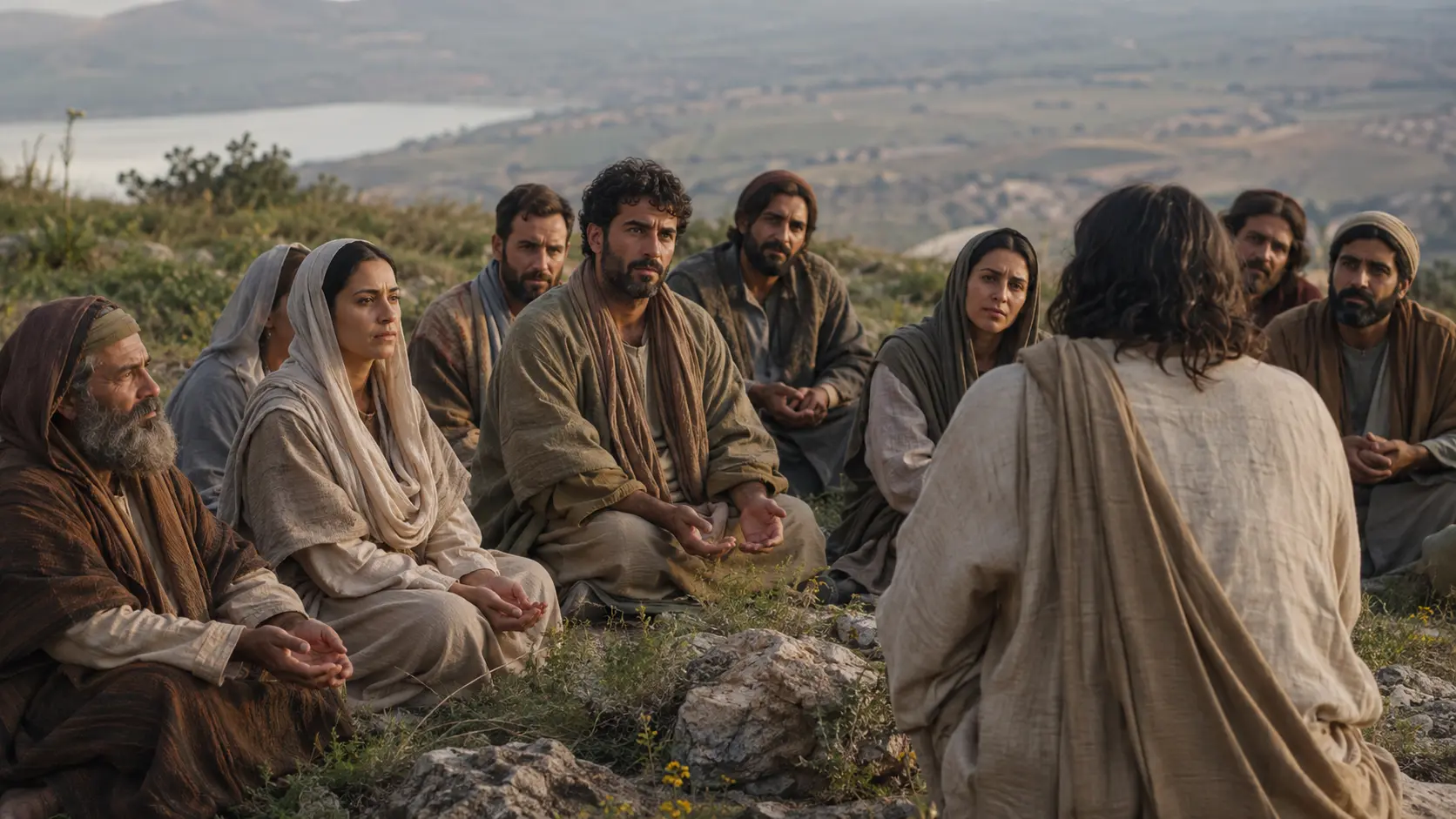
Jesus opens the Sermon on the Mount with blessing, not congratulation for the impressive. The poor in spirit know they stand before God without a résumé capable of purchasing mercy. They do not bargain with achievement, lineage, platform, or religious performance. They receive the kingdom with dependent trust.
Poverty of spirit is not self-hatred. Humility does not deny gifts, dignity, or responsibility. It tells the truth: every breath is received, every ability is stewardship, and salvation rests in the grace of God rather than in our ability to construct a righteous identity.
Neither should this beatitude be used to romanticize economic deprivation. Matthew says ‘poor in spirit,’ while the wider witness of Scripture repeatedly commands justice, generosity, fair treatment, and care for materially poor neighbors. Spiritual dependence must never become an excuse to leave preventable suffering untouched.
Self-sufficiency can hide inside success and inside shame. One person says, ‘I need no one.’ Another says, ‘I must repair myself before God will receive me.’ Both keep control. Jesus blesses the person who comes honestly, receives mercy, and joins a kingdom community where burdens are shared.
Open your hands. Confess the need you have been disguising. Receive the righteousness of Christ, then let dependence produce generosity rather than passivity. The kingdom belongs to those who know it must be given—and who become merciful because everything they possess was first received.
Study the evidence
Read the surrounding argument before drawing an application. Scripture links open in a new tab.
Practice interpreting before teaching
- Observe: identify the speaker, audience, situation, and two statements the passage makes explicitly.
- Interpret: state the conclusion in your own words and explain which details support it. Mark any inference.
- Compare: give a reasonable alternative reading fairly. Explain why the context supports or weakens it.
- Apply: propose one present-day response. Identify what the passage does not promise and whose circumstances require care.
- Revise: check the title, illustration, prayer, and assignment against the same evidence. Change any statement that exceeds it.
A strong response names evidence, handles an objection fairly, and distinguishes application from the passage’s direct statement. Agreement with a teacher alone is not a demonstration of understanding.
Published commitments, teacher exercises, and revision record →
Let Us Go Into The Throne Room Of Grace And Mercy.
Prayer
BENEDICTION