
C H O F Ministry — Unified Manna™: Where Scripture Meets Innovation
The Word Tabernacled Among Us
The eternal Word did not rescue humanity from a safe distance; He took flesh and made His dwelling among us, full of grace and truth.

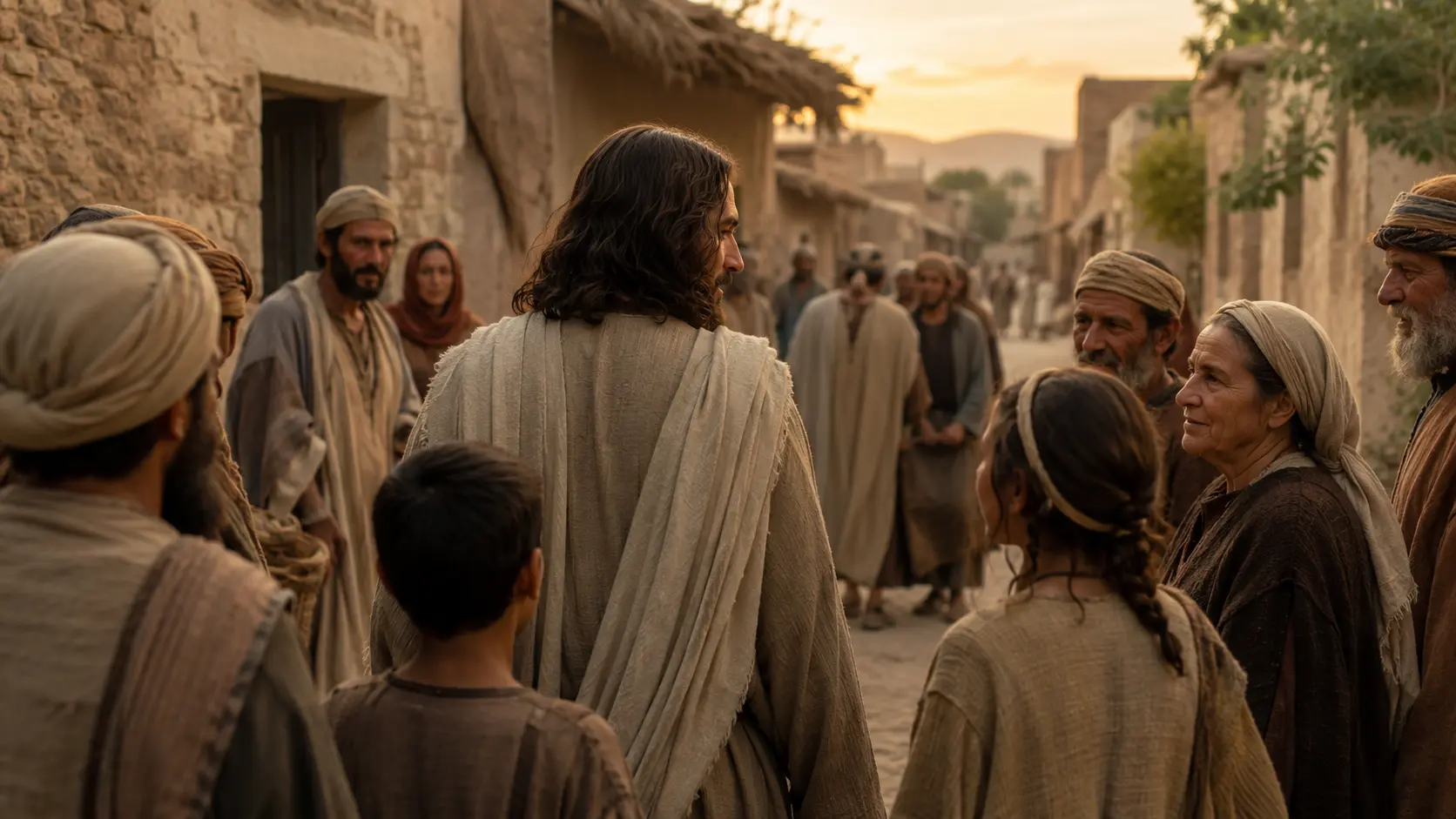
FOUNDATIONAL SCRIPTURE · ESV
“And the Word became flesh and dwelt among us, and we have seen his glory, glory as of the only Son from the Father, full of grace and truth.”John 1:14 (ESV)
WISDOM WHISPERS™
“The eternal Word did not rescue humanity from a safe distance; He took flesh and made His dwelling among us, full of grace and truth.”— Bishop W. F. Houston Jr.
Word StudySkēnoō means to pitch a tent or tabernacle. John uses Israel’s dwelling-place imagery to announce that God’s glory has come near in the embodied life of Jesus Christ.
THE DEVOTION
John does not say the Word merely appeared human. The Word became flesh. The eternal Son entered creaturely life—hunger, fatigue, touch, tears, friendship, rejection, and death—without ceasing to be full of divine glory.
The verb skēnoō echoes the tabernacle where God dwelt among Israel. In Jesus, glory is no longer described only by a sacred tent; it is seen in a human life full of grace and truth. Grace without truth becomes sentiment. Truth without grace becomes a weapon. Christ holds both together.
Incarnation gives dignity to embodied presence. A message, livestream, or post can serve people, but it cannot replace every meal shared, wound tended, child welcomed, injustice confronted, or grieving person accompanied. Ministry must sometimes move into the neighborhood.
Receive the nearness of Christ, then practice it. Learn names. Keep promises. Tell truth gently. Respect bodies and boundaries. Let the church become a dwelling place where people encounter grace that does not lie and truth that does not abandon.
Study the evidence
Read the surrounding argument before drawing an application. Scripture links open in a new tab.
Practice interpreting before teaching
- Observe: identify the speaker, audience, situation, and two statements the passage makes explicitly.
- Interpret: state the conclusion in your own words and explain which details support it. Mark any inference.
- Compare: give a reasonable alternative reading fairly. Explain why the context supports or weakens it.
- Apply: propose one present-day response. Identify what the passage does not promise and whose circumstances require care.
- Revise: check the title, illustration, prayer, and assignment against the same evidence. Change any statement that exceeds it.
A strong response names evidence, handles an objection fairly, and distinguishes application from the passage’s direct statement. Agreement with a teacher alone is not a demonstration of understanding.
Published commitments, teacher exercises, and revision record →
Let Us Go Into The Throne Room Of Grace And Mercy.
Prayer
BENEDICTION