
C H O F Ministry — Unified Manna™: Where Scripture Meets Innovation
Grief Has Permission to Sit With You
Jesus knew He was about to raise Lazarus — and He still wept. Faith in the resurrection does not cancel your permission to grieve the grave.

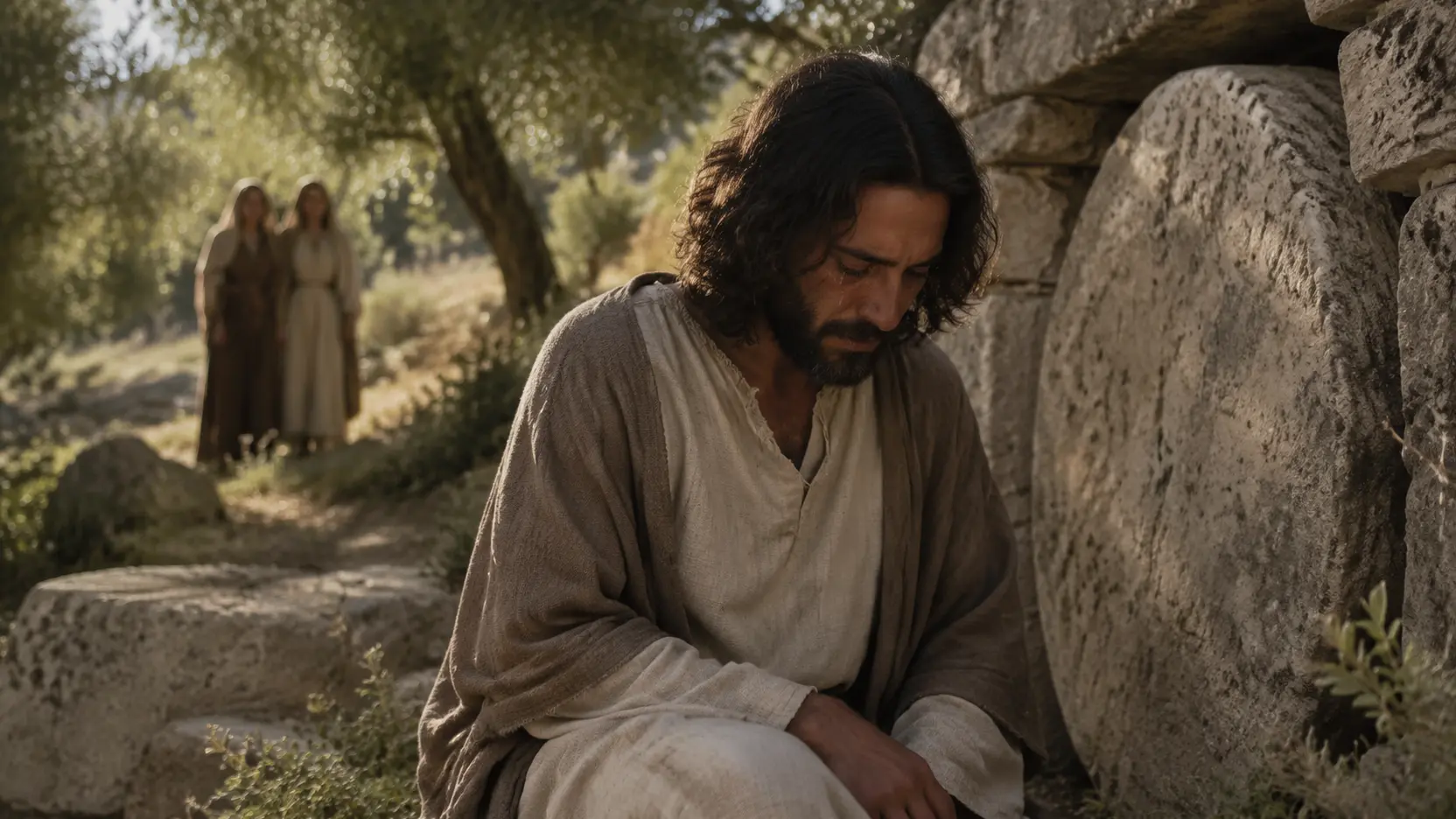
Removed claims about silent weeping and an exact interval not supplied by the text.
About editions and corrections →FOUNDATIONAL SCRIPTURE · ESV
“Jesus wept.”John 11:35 (ESV)
WISDOM WHISPERS™
“Jesus knew He was about to raise Lazarus — and He still wept. Faith in the resurrection does not cancel your permission to grieve the grave.”— Bishop W. F. Houston Jr.
Word Studyto shed tears or weep. John 11:35 records Jesus’ tears; it does not specify that they were silent or provide a precise time before Lazarus emerged.
THE DEVOTION
John 11:35 records that Jesus wept. Dakryō means to shed tears; the verb alone does not tell us the volume or full manner of His weeping. The narrative shows His real response amid the grief surrounding Lazarus’s death.
Jesus has already spoken of Lazarus’s awakening and will call him from the tomb. The account places tears and resurrection hope together without giving the interval in minutes. Trust in God does not make grief unreal.
This dismantles a cruel lie religion sometimes preaches: that real faith means you don't cry, that tears are a failure of trust, that a grieving believer is a weak one. But the Author of resurrection stood at a grave and let the tears come. The Sugar-Free Gospel™ says it tenderly and truly: you are allowed to weep and believe at the same time.
So if you are grieving today, hear this — your tears are not the opposite of your faith. 🙏🏿 Jesus made room for sorrow even when He held the solution. Grief has permission to sit with you. You can trust the resurrection with all your heart and still weep at the tomb, because the God you serve did exactly that.
Grief has no single faithful timetable. Tears, numbness, anger, silence, counseling, support groups, rest, and patient companionship can all be part of honest mourning. If grief becomes dangerous or unmanageable, seeking professional or emergency help is wisdom, not spiritual failure.
Study the evidence
Read the surrounding argument before drawing an application. Scripture links open in a new tab.
Practice interpreting before teaching
- Observe: identify the speaker, audience, situation, and two statements the passage makes explicitly.
- Interpret: state the conclusion in your own words and explain which details support it. Mark any inference.
- Compare: give a reasonable alternative reading fairly. Explain why the context supports or weakens it.
- Apply: propose one present-day response. Identify what the passage does not promise and whose circumstances require care.
- Revise: check the title, illustration, prayer, and assignment against the same evidence. Change any statement that exceeds it.
A strong response names evidence, handles an objection fairly, and distinguishes application from the passage’s direct statement. Agreement with a teacher alone is not a demonstration of understanding.
Published commitments, teacher exercises, and revision record →
Let Us Go Into The Throne Room Of Grace And Mercy.
Prayer
BENEDICTION